Writing Essays
During this class we will master the following types of paragraphs:
- Simple 3-Paragraph Essays
- Academic 5-Paragraph Jane Schaffer Essays
Students are highly encouraged to use our educational chatbot, “ESL Essay Master” to practice and improve their sentence writing skills:
ESL Essay Master
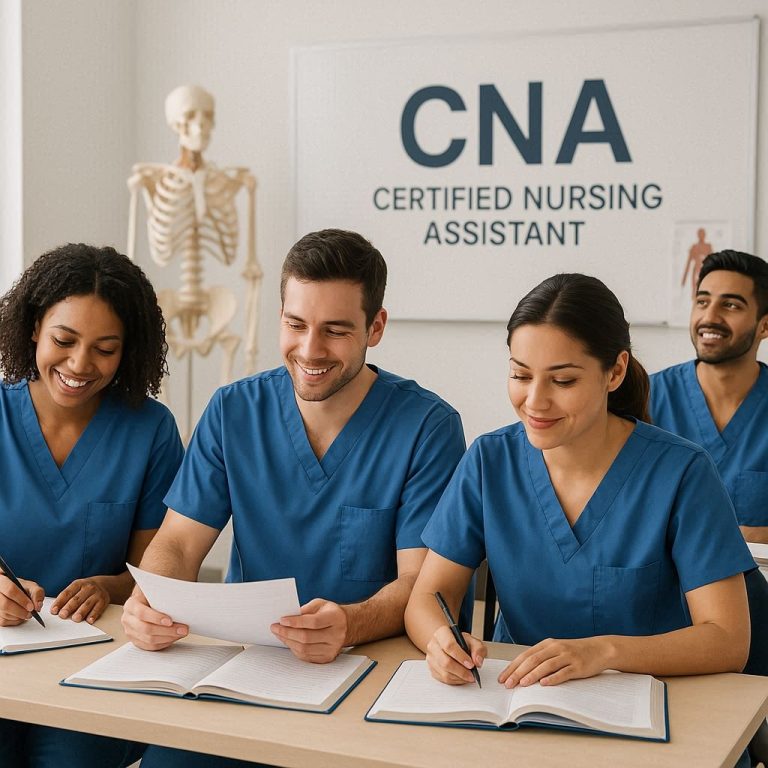
Writing Essays in Healthcare: A Guide for Certified Nursing Assistant Students
Essay writing is an essential skill for Certified Nursing Assistant students that extends far beyond the classroom into professional practice and career development. In healthcare settings, CNAs are increasingly expected to communicate complex ideas, analyze patient care situations, and present recommendations in structured, coherent formats. Whether completing nursing school applications, writing professional development reflections, participating in quality improvement initiatives, or pursuing continuing education, the ability to organize thoughts into well-structured essays demonstrates critical thinking skills valued throughout the healthcare profession.
Why Essay Writing Matters for CNAs in Healthcare
Professional Communication and Documentation
While daily documentation typically involves shorter formats, CNAs often need to write longer, more comprehensive communications for incident analyses, quality improvement reports, patient care summaries, and professional development portfolios. Essay structure provides a framework for organizing complex healthcare information logically and persuasively, ensuring that critical details are communicated effectively to supervisors, healthcare teams, and regulatory agencies.
Career Advancement and Education
Many CNAs pursue additional certifications, nursing school admission, or leadership roles that require strong written communication skills. Scholarship applications, nursing school essays, and professional development portfolios all benefit from clear essay structure. Additionally, healthcare facilities increasingly value employees who can contribute to policy development, training materials, and quality improvement documentation.
Critical Thinking and Evidence-Based Practice
Essay writing develops the analytical thinking skills essential for evidence-based healthcare practice. By learning to organize arguments, evaluate evidence, and draw logical conclusions, CNAs become better clinical decision-makers and more effective advocates for patient safety and quality care.
Simple Three-Paragraph Essays in Healthcare
Definition and Structure
The simple three-paragraph essay provides a concise yet comprehensive format for presenting healthcare-related ideas, observations, or recommendations. This structure is particularly useful for professional reports, quality improvement suggestions, patient care summaries, and communication with healthcare administration. The format allows for adequate development of ideas while maintaining the brevity often required in busy healthcare environments.
Basic Structure:
- Paragraph 1 (Introduction): Introduces the main topic and presents a clear thesis statement
- Paragraph 2 (Body): Develops the main argument with supporting evidence and examples
- Paragraph 3 (Conclusion): Summarizes key points and suggests implications or next steps
Applications in Healthcare Settings
Three-paragraph essays work well for incident analysis reports, patient care improvement recommendations, professional development reflections, and communication with healthcare administrators. This format provides enough space to present complex healthcare issues thoroughly while remaining accessible to busy healthcare professionals who need information quickly.
Example 1: Quality Improvement Proposal
Topic: Improving Medication Administration Safety
Introduction Paragraph: Medication errors represent one of the most significant safety risks in our long-term care facility, affecting patient outcomes and creating liability concerns for the institution. After observing medication administration practices during my clinical rotations and reviewing recent incident reports, I have identified several systemic issues that contribute to medication errors in our facility. Implementing a comprehensive medication safety improvement program that addresses environmental factors, communication protocols, and staff training could significantly reduce medication errors and improve patient safety outcomes.
Body Paragraph: Several specific factors in our current medication administration process create unnecessary risks for errors and patient harm. The medication preparation area lacks adequate lighting and often becomes cluttered with multiple patients’ medications, making it difficult to verify correct dosages and patient identities during busy periods. Communication between nursing staff and CNAs regarding medication changes or special instructions frequently occurs verbally without written documentation, leading to missed doses or incorrect administration when staff members are busy or distracted. Additionally, many CNAs report feeling rushed during medication administration rounds, particularly during shift changes when multiple patients require medications simultaneously, creating pressure that can lead to shortcuts in safety protocols. These environmental and procedural issues are compounded by insufficient training on medication safety principles, as current orientation programs focus primarily on basic administration techniques rather than error prevention strategies and critical thinking skills.
Conclusion Paragraph: Addressing these medication safety concerns requires a systematic approach that combines environmental improvements, enhanced communication protocols, and comprehensive staff education. Installing better lighting and designated medication preparation areas, implementing written communication systems for medication changes, and restructuring medication schedules to reduce peak administration times would create a safer environment for medication administration. Furthermore, developing ongoing education programs that emphasize error prevention, critical thinking, and patient safety principles would empower CNAs to become active participants in medication safety rather than passive task completers. By implementing these changes, our facility can significantly reduce medication errors, improve patient outcomes, and create a culture of safety that benefits both residents and staff members.
Example 2: Patient Care Case Study Analysis
Topic: Nutritional Support for Elderly Patients with Dementia
Introduction Paragraph: Maintaining adequate nutrition among elderly patients with dementia presents complex challenges that require innovative approaches and comprehensive care strategies. During my experience caring for Mrs. Patterson, an 82-year-old resident with moderate Alzheimer’s disease, I observed how traditional feeding approaches often failed to meet her nutritional needs and resulted in weight loss and decreased quality of life. Developing individualized nutrition strategies that consider the unique cognitive and behavioral changes associated with dementia can significantly improve patient outcomes and family satisfaction with care.
Body Paragraph: Mrs. Patterson’s case illustrates the multifaceted nature of nutrition challenges in dementia care and the importance of person-centered approaches to feeding assistance. Initially, she was offered standard facility meals served at regular dining room tables, but she consistently refused to eat, became agitated during meal times, and lost eight pounds over six weeks. Her agitation appeared to stem from overstimulation in the busy dining room environment, confusion about unfamiliar foods, and frustration with traditional utensils that she could no longer use effectively. After consulting with her family about her previous food preferences and eating habits, we discovered that she had always enjoyed finger foods and preferred eating in quiet environments. Implementing changes such as serving familiar finger foods in her room, playing soft music she recognized from her youth, and allowing her to eat at her own pace resulted in dramatic improvements. Within three weeks of these modifications, Mrs. Patterson was consuming 75% of her meals, gained two pounds, and appeared more relaxed and content during feeding times. Her family reported increased satisfaction with her care and expressed gratitude for the staff’s willingness to adapt approaches to meet her individual needs.
Conclusion Paragraph: Mrs. Patterson’s case demonstrates that effective nutrition support for dementia patients requires individualized approaches that address cognitive, behavioral, and environmental factors rather than relying solely on standard feeding protocols. Healthcare teams must be willing to collaborate with families to understand patients’ lifelong preferences and adapt care strategies to accommodate the unique challenges of dementia. By implementing person-centered nutrition approaches, healthcare facilities can improve patient outcomes, enhance family satisfaction, and provide more compassionate care that honors the dignity and individuality of each resident.
Example 3: Professional Development Reflection
Topic: Communication Skills in End-of-Life Care
Introduction Paragraph: Effective communication during end-of-life care represents one of the most challenging yet essential skills for Certified Nursing Assistants working in healthcare settings. Throughout my clinical experience in hospice care, I have encountered numerous situations where thoughtful communication made significant differences in patient comfort and family coping during difficult transitions. Developing strong communication skills for end-of-life situations requires understanding of grief processes, cultural sensitivity, and the ability to provide emotional support while maintaining professional boundaries.
Body Paragraph: My experience caring for Mr. Johnson during his final weeks of life taught me valuable lessons about the importance of compassionate communication and active listening in end-of-life care. Mr. Johnson was a 68-year-old gentleman with pancreatic cancer who had been admitted to our hospice unit after deciding to discontinue aggressive treatment and focus on comfort care. Initially, I felt uncertain about how to communicate with him and his family, particularly when they asked direct questions about his prognosis or expressed anger about his condition. However, I learned that effective end-of-life communication often involves simply being present, listening without trying to fix problems, and acknowledging the difficulty of the situation rather than offering false reassurances. When Mr. Johnson expressed fear about dying, I learned to respond with statements like “That sounds really frightening” rather than attempting to minimize his concerns or change the subject. His daughter appreciated when I shared specific observations about his comfort level and peaceful moments, which helped her understand that he was receiving good care and experiencing minimal pain. These interactions taught me that end-of-life communication requires courage to engage with difficult emotions, patience to allow people to express their feelings, and wisdom to know when words are less important than simple presence.
Conclusion Paragraph: My experiences in end-of-life care have significantly improved my communication skills and deepened my understanding of the CNA’s role in providing holistic patient support. I have learned that effective end-of-life communication requires ongoing practice, cultural sensitivity, and willingness to engage authentically with patients and families during their most vulnerable moments. These skills will continue to serve me throughout my healthcare career, as the ability to communicate compassionately during difficult situations is essential for providing quality patient care and supporting families through challenging experiences.
Jane Schaffer Five-Paragraph Essays in Healthcare Education
Definition and Educational Applications
The Jane Schaffer five-paragraph essay model provides a structured framework for analytical writing that helps CNA students develop critical thinking skills essential for evidence-based practice and professional development. This format is particularly valuable for nursing school applications, research papers, policy analysis assignments, and comprehensive case study evaluations where students must demonstrate their ability to analyze healthcare issues systematically and support their conclusions with credible evidence.
Structure and Healthcare-Specific Components
Paragraph 1 (Introduction):
- Hook: Engaging opening related to healthcare issue
- Background information: Context about the healthcare topic
- Thesis statement: Clear claim about the healthcare issue or practice
Paragraphs 2-4 (Body paragraphs – each following Jane Schaffer structure):
- Topic Sentence (TS): Claim supporting the thesis
- Concrete Detail (CD): Specific evidence (research, statistics, case studies)
- Commentary (CM): Analysis of how evidence supports the claim
- Commentary (CM): Broader implications for healthcare practice
- Concluding Sentence (CS): Reinforces the paragraph’s main point
Paragraph 5 (Conclusion):
- Restatement of thesis
- Summary of main supporting points
- Broader implications for healthcare
- Call to action or future considerations
Example 1: Evidence-Based Practice Analysis
Topic: The Impact of Music Therapy on Dementia Care
Introduction Paragraph: Imagine walking into a memory care unit where agitated residents sit peacefully, families smile during visits, and staff members report decreased behavioral incidents and improved job satisfaction. This scene represents the transformative power of music therapy in dementia care settings across the United States. Dementia affects over 6 million Americans, and traditional approaches to managing behavioral symptoms often rely heavily on pharmaceutical interventions that carry significant side effects and may diminish quality of life. Research-based evidence demonstrates that music therapy programs in dementia care facilities significantly improve patient outcomes, reduce the need for psychoactive medications, and enhance overall quality of life for both residents and their families.
Body Paragraph 1: Music therapy provides measurable improvements in cognitive function and behavioral symptoms among dementia patients in residential care settings. A randomized controlled trial published in the Journal of Music Therapy followed 120 dementia patients over six months and found that residents participating in structured music therapy sessions showed 30% greater improvement in cognitive assessment scores compared to control groups receiving standard care. This improvement occurs because music activates multiple brain regions simultaneously, including areas responsible for memory, emotion, and motor function, creating neural pathways that can bypass damaged areas of the brain affected by dementia. The cognitive stimulation provided by music therapy also appears to slow the progression of certain dementia symptoms, suggesting that regular musical engagement may provide protective benefits for brain function in addition to immediate therapeutic effects. These findings indicate that music therapy should be considered an essential component of comprehensive dementia care rather than simply an entertainment activity.
Body Paragraph 2: Implementation of music therapy programs significantly reduces aggressive behaviors and the need for psychoactive medications in dementia care facilities. Research conducted at fifteen nursing homes over two years demonstrated that facilities with comprehensive music therapy programs reported 45% fewer incidents of aggressive behavior and were able to reduce psychoactive medication use by an average of 25% among participating residents. This reduction in behavioral symptoms occurs because music therapy provides emotional regulation and stress relief, addressing underlying causes of agitation rather than simply suppressing symptoms through medication. The decreased reliance on psychoactive medications is particularly significant because these drugs often cause serious side effects in elderly patients, including increased fall risk, cognitive decline, and cardiovascular complications that can worsen overall health outcomes. Therefore, music therapy represents not only a more humane approach to behavioral management but also a safer alternative that aligns with current efforts to reduce inappropriate medication use in long-term care settings.
Body Paragraph 3: Music therapy programs enhance family engagement and staff satisfaction while creating more positive care environments in dementia facilities. Studies of family members whose relatives participate in music therapy report 60% higher satisfaction with care quality and increased frequency of visits, as music sessions provide meaningful ways for families to connect with loved ones despite communication barriers caused by dementia. This increased family engagement benefits not only families but also residents, who demonstrate improved mood and social interaction when family members participate actively in their care through music therapy activities. Healthcare staff working in facilities with music therapy programs report decreased job stress, improved job satisfaction, and lower turnover rates, as the positive atmosphere created by music activities makes the work environment more rewarding and less emotionally draining. The combination of improved family relationships, enhanced resident well-being, and increased staff satisfaction creates a positive cycle that benefits all stakeholders in the care environment and demonstrates the far-reaching impact of therapeutic interventions that address emotional and social needs alongside medical requirements.
Conclusion Paragraph: The evidence clearly demonstrates that music therapy programs provide significant benefits for dementia patients, families, and healthcare staff while offering a cost-effective, evidence-based approach to improving care quality in residential settings. Music therapy enhances cognitive function, reduces behavioral symptoms and medication dependence, and creates more positive care environments that benefit all participants. As healthcare systems increasingly focus on person-centered care and non-pharmaceutical interventions, music therapy represents an essential tool for addressing the complex needs of dementia patients while improving overall quality of life. Healthcare facilities should prioritize the implementation of comprehensive music therapy programs, and Certified Nursing Assistants should advocate for these interventions as valuable components of holistic dementia care that honor the humanity and dignity of every resident.
Example 2: Healthcare Policy Analysis
Topic: The Importance of CNA Continuing Education Requirements
Introduction Paragraph: A Certified Nursing Assistant working in a cardiac care unit fails to recognize early signs of heart failure in an elderly patient, leading to delayed treatment and a preventable hospitalization that costs the healthcare system thousands of dollars and causes unnecessary suffering for the patient and family. This scenario illustrates the critical importance of ongoing education for healthcare workers who provide direct patient care in increasingly complex medical environments. While CNAs receive basic training before entering practice, the rapidly evolving nature of healthcare technology, treatment protocols, and patient populations requires continuous learning to maintain competency and ensure patient safety. Mandatory continuing education requirements for Certified Nursing Assistants are essential for maintaining quality patient care, reducing medical errors, and supporting professional development in an increasingly complex healthcare environment.
Body Paragraph 1: Continuing education requirements significantly improve patient safety outcomes by ensuring that CNAs maintain current knowledge of evidence-based practices and safety protocols. Research published in the American Journal of Nursing shows that healthcare facilities with mandatory continuing education programs for CNAs experience 35% fewer preventable adverse events compared to facilities without such requirements. This improvement occurs because continuing education keeps CNAs updated on current best practices for infection control, fall prevention, medication safety, and emergency response procedures that evolve continuously as medical knowledge advances. The knowledge gained through continuing education also enhances CNAs’ ability to recognize subtle changes in patient condition that may indicate developing complications, enabling earlier intervention and prevention of serious adverse outcomes. These safety improvements benefit not only patients but also healthcare institutions by reducing liability, improving quality ratings, and decreasing costs associated with preventable complications and readmissions.
Body Paragraph 2: Mandatory continuing education enhances the professional development and job satisfaction of CNAs while improving retention rates in healthcare facilities. Studies of CNA workforce trends indicate that healthcare workers who participate in regular continuing education report 40% higher job satisfaction and demonstrate 25% lower turnover rates compared to those without ongoing educational opportunities. This improvement in job satisfaction occurs because continuing education provides CNAs with increased confidence in their clinical skills, greater understanding of their role within the healthcare team, and enhanced sense of professional growth and career advancement potential. The professional development fostered by continuing education also prepares CNAs for additional certifications, specializations, and advancement opportunities, creating career pathways that reduce burnout and encourage long-term commitment to healthcare careers. The resulting reduction in turnover benefits healthcare facilities through decreased recruitment and training costs, improved continuity of patient care, and maintenance of experienced staff who can mentor new employees and contribute to positive workplace culture.
Body Paragraph 3: Continuing education requirements ensure that CNAs remain current with technological advances and evolving healthcare practices that directly impact patient care quality. The integration of electronic health records, advanced monitoring equipment, and new treatment modalities requires ongoing training to ensure that CNAs can utilize these tools effectively and safely in their daily practice. Research demonstrates that healthcare facilities implementing comprehensive continuing education programs report 50% better adoption rates of new technologies and protocols compared to facilities relying solely on informal training methods. This improved technology adoption is crucial because modern healthcare increasingly depends on sophisticated equipment and digital systems that require specific knowledge and skills to operate safely and effectively. The ability of CNAs to adapt to technological changes and new care delivery models through continuing education also positions healthcare facilities to provide higher quality care while remaining competitive in an evolving healthcare marketplace that increasingly emphasizes innovation and evidence-based practice.
Conclusion Paragraph: The evidence overwhelmingly supports the implementation of mandatory continuing education requirements for Certified Nursing Assistants as a critical component of maintaining high-quality, safe patient care in modern healthcare environments. Continuing education improves patient safety outcomes, enhances professional development and job satisfaction among CNAs, and ensures that healthcare workers remain current with technological and clinical advances. As healthcare continues to evolve rapidly, the need for ongoing education becomes increasingly important for maintaining competency and ensuring that all healthcare team members can contribute effectively to patient care. Healthcare policymakers, facility administrators, and nursing professionals should collaborate to establish comprehensive continuing education requirements that support both individual professional growth and systemic improvements in healthcare quality and safety.
Example 3: Case Study Analysis for Nursing School Application
Topic: Ethical Decision-Making in Long-Term Care
Introduction Paragraph: Walking into Mrs. Chen’s room at the end of my shift, I discovered her crying quietly while holding a photograph of her late husband, and I faced a dilemma that would profoundly influence my understanding of compassionate care and professional boundaries. Mrs. Chen, an 89-year-old resident with mild dementia, had been asking repeatedly for her husband, who had died three years earlier, and staff members had been instructed to redirect her attention rather than repeatedly explaining his death. However, seeing her distress and remembering similar moments with my own grandmother, I felt torn between following protocol and providing emotional comfort in a way that felt more authentic and caring. This experience taught me that ethical decision-making in healthcare requires balancing institutional policies with individual patient needs while maintaining professional boundaries that protect both patients and caregivers.
Body Paragraph 1: The institutional policy of redirecting Mrs. Chen rather than acknowledging her husband’s death reflected legitimate concerns about causing repeated emotional trauma and maintaining efficient care delivery in a busy long-term care environment. Research published in Dementia Care Practice indicates that repeatedly reminding dementia patients about deceased loved ones can cause acute grief reactions and increased agitation that may persist for hours or days after each reminder. This approach protects patients from experiencing the fresh pain of loss multiple times and prevents the emotional exhaustion that can result from continuously processing difficult information that cannot be retained due to memory impairment. The redirection strategy also allows healthcare staff to maintain emotional boundaries necessary for providing professional care to multiple patients without becoming overwhelmed by the emotional demands of repeatedly delivering devastating news. These practical and psychological considerations demonstrate why healthcare facilities develop policies that prioritize emotional protection and operational efficiency when caring for dementia patients who may not retain information about difficult life events.
Body Paragraph 2: However, my interaction with Mrs. Chen revealed the limitations of purely policy-based approaches and highlighted the importance of individualized care that honors patients’ emotional experiences and maintains their dignity. When I sat with Mrs. Chen and acknowledged that she missed her husband without explicitly stating that he had died, she shared beautiful memories of their 60-year marriage and gradually became more peaceful and content. This response suggested that patients with dementia may benefit more from emotional validation and gentle acknowledgment of their feelings rather than abrupt redirection that can feel dismissive or confusing. Research in person-centered dementia care supports the idea that validating patients’ emotional experiences, even when their perceptions of reality are altered, can reduce anxiety and improve overall well-being more effectively than correction or redirection. The success of this approach with Mrs. Chen demonstrated that ethical care sometimes requires adapting policies to meet individual patient needs while still maintaining appropriate professional boundaries and emotional safety for both patients and caregivers.
Body Paragraph 3: This experience taught me that ethical decision-making in healthcare requires careful consideration of multiple factors including patient welfare, professional guidelines, institutional policies, and personal values while maintaining focus on what best serves each individual patient. The ability to balance these sometimes competing considerations is essential for healthcare professionals who must navigate complex situations where standard protocols may not address the unique needs of specific patients or circumstances. My interaction with Mrs. Chen also highlighted the importance of communication and collaboration with supervisors and team members when facing ethical dilemmas, as discussing the situation with my charge nurse led to modifications in Mrs. Chen’s care plan that incorporated more individualized approaches to addressing her emotional needs. The experience reinforced my understanding that healthcare is fundamentally about caring for whole persons rather than simply managing medical conditions, and that effective healthcare professionals must develop the wisdom to know when policies should be adapted to better serve individual patient needs while maintaining professional standards and ethical boundaries.
Conclusion Paragraph: My experience with Mrs. Chen fundamentally shaped my understanding of ethical decision-making in healthcare and reinforced my commitment to pursuing nursing education that will prepare me to provide compassionate, individualized care while maintaining professional competency and ethical standards. This situation taught me that effective healthcare requires not only technical skills and policy knowledge but also emotional intelligence, critical thinking abilities, and the courage to advocate for patient-centered approaches when circumstances warrant flexibility in standard procedures. As I pursue my nursing education, I am committed to developing the knowledge, skills, and professional judgment necessary to navigate complex ethical situations while always prioritizing patient dignity, safety, and well-being. The lessons learned from caring for Mrs. Chen will continue to guide my approach to healthcare as I work to become a nurse who can provide both competent medical care and compassionate human connection to patients and families during their most vulnerable moments.
Adapting Essay Structure for Different Healthcare Contexts
Professional Development Portfolios
For professional development portfolios, both three-paragraph and five-paragraph essays serve important functions. Three-paragraph essays work well for brief reflections on specific learning experiences, while five-paragraph essays allow for comprehensive analysis of complex professional development topics such as leadership growth, ethical dilemmas, or career goal articulation.
Quality Improvement Reports
Three-paragraph essays provide an ideal format for quality improvement proposals and reports. The introduction can present the identified problem and proposed solution, the body paragraph can detail evidence and implementation strategies, and the conclusion can outline expected outcomes and next steps.
Nursing School Applications
Five-paragraph Jane Schaffer essays are particularly valuable for nursing school application essays where students must demonstrate analytical thinking, evidence-based reasoning, and professional writing skills. These essays allow applicants to showcase their ability to analyze healthcare issues critically and support their career goals with concrete evidence.
Continuing Education Assignments
Both essay formats serve continuing education needs, with three-paragraph essays suitable for brief reflection assignments and five-paragraph essays appropriate for comprehensive research projects or policy analysis assignments required for advanced certifications.
Common Challenges and Solutions for CNA Essay Writing
Integrating Medical Evidence
Many CNA students struggle with finding and incorporating credible medical research into their essays. Focus on peer-reviewed nursing journals, government health agencies, and professional healthcare organizations for reliable sources. Practice summarizing research findings in your own words while maintaining accuracy.
Balancing Personal Experience with Professional Analysis
CNAs often have rich personal experiences that inform their perspectives, but academic and professional essays require balance between personal insight and objective analysis. Use personal experiences as examples to illustrate broader healthcare principles rather than as primary evidence for arguments.
Maintaining Professional Tone
Healthcare essay writing requires a professional tone that conveys competence and credibility. Avoid overly casual language, emotional appeals without supporting evidence, and personal opinions presented as facts. Focus on clear, direct language that demonstrates professional maturity and critical thinking.
Time Management for Longer Writing Assignments
Essay writing requires significant time for research, drafting, and revision. Develop a systematic approach that includes topic selection, research gathering, outline creation, drafting, and multiple revision cycles. Allow adequate time for each phase of the writing process.
Assessment Criteria for Healthcare Essays
Content and Analysis
Strong healthcare essays demonstrate thorough understanding of the topic, incorporation of credible evidence, clear analytical thinking, and relevant connections to healthcare practice. Look for specific examples, accurate use of medical terminology, and evidence-based conclusions.
Organization and Structure
Effective essays follow clear organizational patterns with logical progression of ideas, smooth transitions between paragraphs, and strong introduction and conclusion sections. Each paragraph should have a clear purpose and contribute to the overall argument or analysis.
Professional Writing Quality
Healthcare essays should demonstrate professional writing standards including correct grammar and mechanics, appropriate tone and style, proper citation of sources, and adherence to any specific formatting requirements for the assignment or submission.
Critical Thinking and Application
The strongest healthcare essays show evidence of critical thinking through analysis of complex issues, evaluation of multiple perspectives, and application of healthcare principles to real-world situations. Look for evidence that the writer can think beyond surface-level observations to deeper implications for healthcare practice.
Conclusion
Mastering both three-paragraph and five-paragraph essay writing provides CNA students with essential tools for professional communication, academic success, and career advancement in healthcare. Three-paragraph essays offer efficient formats for professional reports, quality improvement proposals, and brief reflections, while five-paragraph Jane Schaffer essays develop the analytical thinking skills necessary for evidence-based practice and continuing education.
The key to success lies in understanding when to use each format and practicing consistently with healthcare-relevant content. Three-paragraph essays should be the primary tool for most professional communication needs, while five-paragraph essays are invaluable for comprehensive analysis and academic assignments.
By developing strong essay writing skills, CNA students position themselves for success in their current roles and prepare for future educational and professional opportunities. Clear, professional communication enhances patient care, strengthens relationships with healthcare teams, and opens doors for career advancement in the dynamic and rewarding field of healthcare. These writing skills represent an investment in professional development that will pay dividends throughout a healthcare career, enabling CNAs to contribute meaningfully to quality improvement, policy development, and the advancement of healthcare practice.